Before the Land Cruiser, before the quad bike, before the asphalt highway cutting through the desert — there was the camel. For thousands of years, the camel was the only way to cross the Arabian Peninsula, and the Bedouin people built an entire civilisation around these extraordinary animals. Riding one through Dubai's red dunes today is not just a tourist activity. It is a small act of connection to a history that stretches back millennia.
The Camel in Arabian Culture
The dromedary camel (one hump, as opposed to the Bactrian's two) has been the backbone of desert life in the UAE and wider Arabian world for over 3,000 years. The Bedouin relied on camels for:
- Transport: Capable of carrying up to 300 kg across desert terrain for 8–10 hours per day
- Food: Camel milk is nutritious and was a staple; meat provided sustenance on long journeys
- Trade: The great spice routes of the ancient world ran on camel power
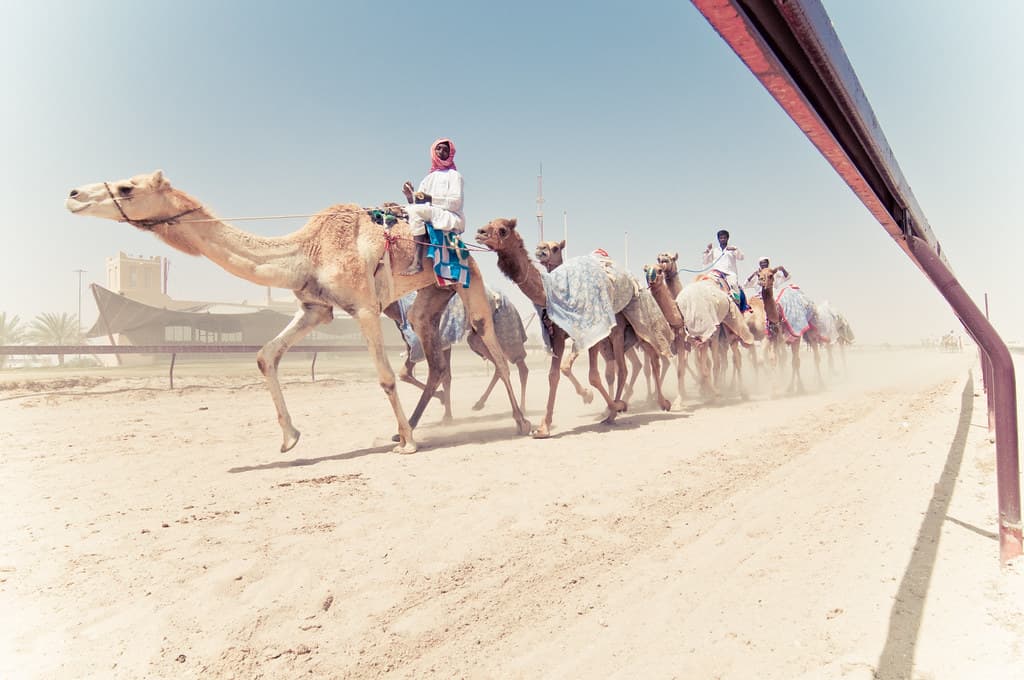
- Status: Camel ownership was a measure of wealth; racing camels remain status symbols in the UAE today
The camel is so central to Emirati identity that a camel is featured in the coat of arms of Dubai, and camel racing remains a major sport with prizes in the millions of dirhams. When you climb into the saddle, you are touching all of this.
What Camel Riding Actually Feels Like
Most first-time riders are surprised by two things: how tall the animal is, and how dramatically it moves when standing up.
Mounting: The Lurch
Camels kneel on all four legs to accept a rider. The handler will signal the camel and you climb into the saddle from the side. Then the animal stands — and it does so in stages: first the back legs, which pitches you violently forward, then the front legs, which throws you back. The combined motion feels like being on a slow-motion see-saw. Hold the saddle horn firmly and lean back as the front legs come up. After that first stand, you are up and the motion becomes gentle.
The Ride Itself
At walking pace, a camel has a slow, rolling, side-to-side gait — not unlike a boat on a gentle swell. Most riders find it surprisingly relaxing after the initial mounting drama. You sit at roughly 2.5–3 metres above the ground, which gives a genuinely different perspective over the dunes.
The handler walks alongside (or in front), leading the camel on a rope. You do not need to steer or control the animal.
Dismounting
Dismounting is the reverse of mounting — the camel kneels front legs first this time, pitching you forward sharply. Again: hold on, lean back, and wait until the handler tells you the animal is fully down before attempting to swing your leg over.
Tips for Your Camel Ride
- Do not look down immediately after the camel stands — the height is surprisingly disorienting at first. Focus on the horizon instead.
- Sit upright with a relaxed back — a rigid posture transmits every jolt. Let your hips absorb the motion.
- Keep your weight centred — leaning heavily to one side is uncomfortable for both you and the animal.
- Ask about photography — many handlers are happy to pause so a companion can photograph you from the ground. The camel silhouetted against golden dunes is one of Dubai's most iconic shots.
- Expect some vocalising — grunts, groans, and the occasional dramatic groan-roar are completely normal camel communication. It is not aggression.
When Is the Best Time for a Camel Ride?
Morning safaris offer the best camel experience for most riders. The cooler temperatures are more comfortable for both you and the animals, the early light is beautiful for photographs, and the quieter desert atmosphere allows a more meditative, authentic feeling.
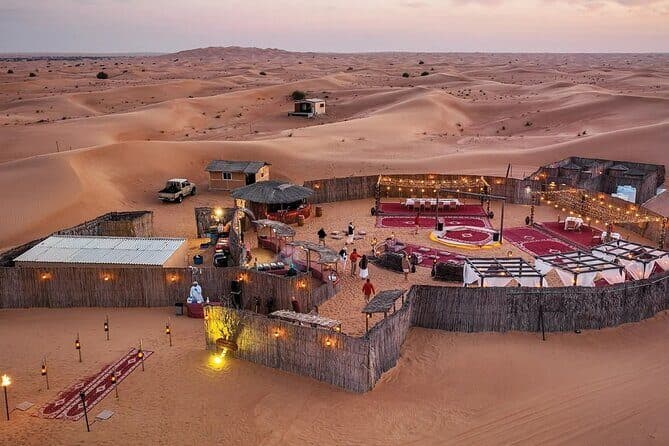
Evening safaris include camel rides in the pre-sunset golden hour — visually stunning, and a natural match with the wider camp activities that follow.
Both our shared desert safari and morning desert safari include camel rides as a core activity. Browse all desert tour options to find the package that suits your group.
Step into the ancient world for a moment — a camel ride in the Dubai desert with MyDubaiSafari is one of those experiences that stays with you long after you leave the UAE. Book your safari today and discover the desert the way it was always meant to be explored.